Buy schlaflos.eu ?
We are moving the project
schlaflos.eu .
Are you interested in purchasing the domain
schlaflos.eu ?
domain@kv-gmbh.de · 0541-91531010
Buy schlaflos.eu ?
What is brand advertising and industry advertising?
Brand advertising is a type of advertising that focuses on promoting a specific brand and its unique attributes, values, and personality. It aims to create a strong and positive association with the brand in the minds of consumers, ultimately leading to increased brand awareness, loyalty, and sales. Industry advertising, on the other hand, is a type of advertising that promotes an entire industry or category of products or services, rather than a specific brand. It aims to educate and inform consumers about the benefits and value of the industry as a whole, rather than focusing on individual brands. Industry advertising often seeks to shape consumer perceptions and attitudes towards the industry, and may be used to address common misconceptions or negative perceptions. **
What distinguishes good advertising from bad advertising? Provide examples.
Good advertising is distinguished by its ability to effectively communicate the benefits of a product or service to the target audience in a creative and engaging way. It should be memorable, persuasive, and evoke a positive emotional response. For example, Apple's "Think Different" campaign is considered good advertising as it successfully conveyed the brand's innovative and rebellious spirit, resonating with consumers on a deeper level. On the other hand, bad advertising is characterized by being overly pushy, misleading, or irrelevant to the audience. An example of bad advertising would be Pepsi's controversial ad featuring Kendall Jenner, which was criticized for trivializing social justice movements and lacking authenticity. **
Similar search terms for Advertising
Top-Angebote
Products related to Advertising:
-
Kneipp Muscle Relaxation bath oil for tired muscles 100 mlKneipp Muscle Relaxation, 100 ml, Bath Products for Men, After a long day, nothing feels as relaxing as a long bath in a nice hot tub. Kneipp Muscle Relaxation bath oil relieves your tired or sore muscles, making you feel cosy and relaxed. It allows you to create a luxurious bathing experience in your own home to relieve tension and enhance relaxation while regenerating your tired musculoskeletal system. Characteristics: has a relaxing effect on the muscles of the body protects skin from dehydration Ingredients: vegan product How to use: Fill the cap of the bottle and add the measured amount into the flow of running water. Use water at 36–38°C to prepare the bath. Then remain in the bath for 15–20 minutes. Rinse the bathtub after bathing to prevent any discolouration.6,89 £*Shipping: 3,99 £Secure redirect to the provider
-
"""Restless River""" """Restless River Le Luc Pinot Noir 2021 Red Wine - South Africa""""""Beautiful aromas of rose petals, red berries and turned soil. The palate perfectly weighted, refined, incredible purity of fruit with intense flavours and silky mouthfeel. Long, savory finish. Blend: 100% Pinot Noir Tart cherry, cola and intense..."53,99 $*Shipping: 0,00 $Secure redirect to the provider




-
Who is responsible for creativity? Advertising and advertising slogans.
Creativity in advertising and advertising slogans is the responsibility of the advertising agency and its creative team. These professionals are tasked with coming up with innovative and attention-grabbing ideas that effectively communicate the brand's message to the target audience. They are responsible for brainstorming, conceptualizing, and executing creative campaigns and slogans that resonate with consumers and differentiate the brand from its competitors. Ultimately, the success of advertising creativity lies in the hands of the creative minds behind the campaigns. **
-
Is individual advertising and single advertising the same thing?
Individual advertising and single advertising are not the same thing. Individual advertising refers to targeting specific individuals or small groups with personalized messages, often using data-driven targeting techniques. On the other hand, single advertising typically refers to a one-time ad placement or campaign, without necessarily targeting specific individuals. While individual advertising focuses on personalization and targeting, single advertising may be more general and broad in its approach. **
-
Is advertising aggressive?
Advertising can be aggressive in the sense that it aims to capture the attention of consumers and persuade them to purchase a product or service. Some advertising tactics may use bold or assertive language, imagery, or messaging to create a sense of urgency or desire. However, not all advertising is aggressive, as some campaigns may focus on more subtle or informative approaches to reach their target audience. Ultimately, the level of aggression in advertising can vary depending on the specific goals and strategies of the advertiser. **
-
Is advertising tasteless?
Advertising can be considered tasteless when it uses offensive or inappropriate content to grab attention. However, not all advertising is tasteless, as some ads are creative, informative, and entertaining. It ultimately depends on the approach and execution of the advertisement in question. Advertisers should strive to create content that is respectful, engaging, and relevant to their target audience to avoid being perceived as tasteless. **


What is the difference between positive advertising and negative advertising?
Positive advertising focuses on highlighting the benefits and positive aspects of a product or service, while negative advertising involves pointing out the flaws or shortcomings of a competitor's product or service. Positive advertising aims to create a favorable image and build trust with the audience, while negative advertising seeks to undermine the competition and sway consumers by highlighting their weaknesses. Positive advertising tends to be more uplifting and aspirational, while negative advertising can sometimes come across as aggressive or confrontational. **
What is the difference between product advertising and image advertising?
Product advertising focuses on promoting specific products or services, highlighting their features, benefits, and value propositions to drive sales. On the other hand, image advertising aims to build and enhance the overall brand image, reputation, and perception in the minds of consumers. While product advertising is more transactional and focused on driving immediate sales, image advertising is more strategic and long-term, aiming to create a positive emotional connection with the brand. **
Top-Angebote
Products related to Advertising:
-
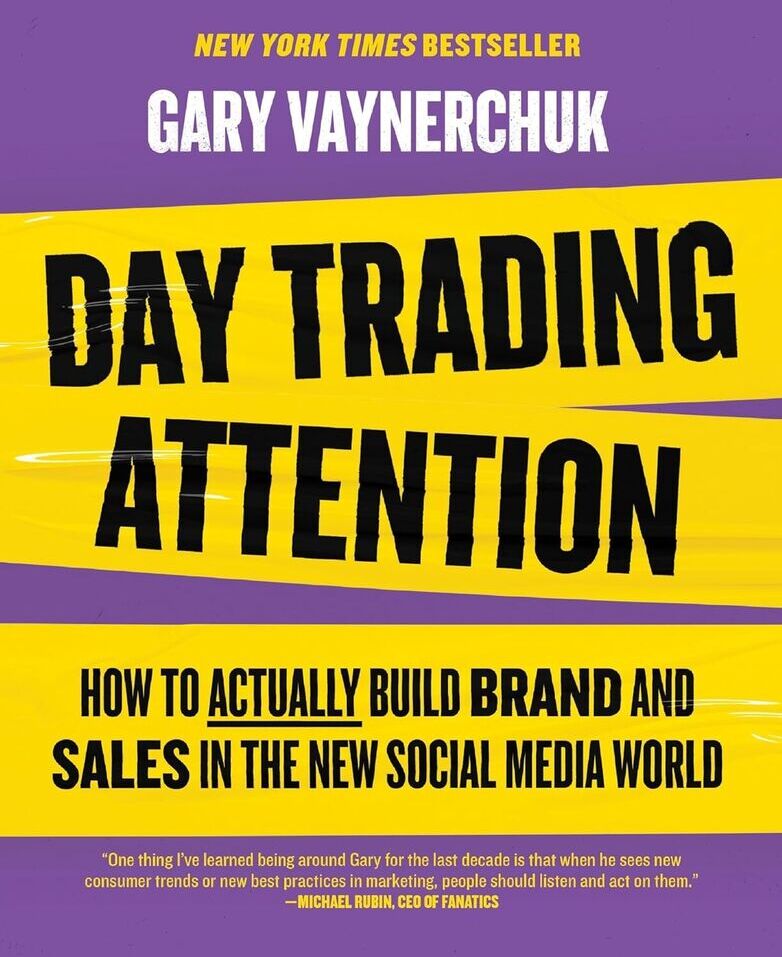
Harper Business Day Trading Attention & Jab Jab Jab Right Hook by Gary Vaynerchuk - Hardcover 2 Book Marketing Set - Business Strategy & Social Media AdvertisingThis two-book bundle brings together Gary Vaynerchuk's most influential marketing titles in one brand-new hardcover set. Day Trading Attention (2024) updates the playbook for today's social platforms, while Jab, Jab, Jab, Right Hook (2013) remains the foundational storytelling guide that built GaryVee's reputation. Together they offer a before-and-after view of how attention, content, and advertising have evolved — essential reading for marketers, founders, and content creators. The books are published by Harper Business and are suitable for adult readers interested in business and marketing.3,89 £*Shipping: 2,99 £Secure redirect to the provider
-
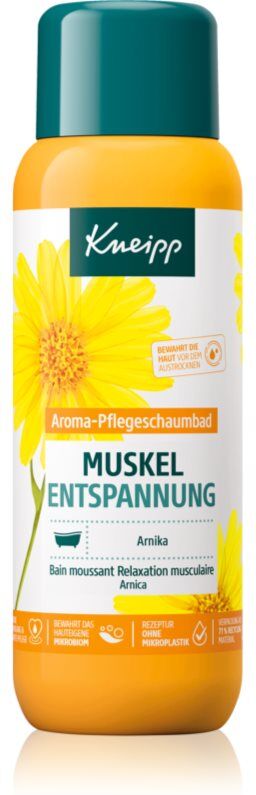
Kneipp Muscle Relaxation bath foam for tired muscles 400 mlKneipp Muscle Relaxation, 400 ml, Bubble Baths for Women, Nothing beats relaxing in a lovely aromatic bath full of bubbles. Kneipp Muscle Relaxation bubble bath will bring you moments of bliss, transforming your everyday cleansing routine into a pleasant ritual and a great experience for your whole body and senses; an experience to really look forward to. It will help your body and mind to relax and rest even after a very demanding day. Add some to running warm water. Watch the clouds of heavenly-rich foam blossom and let them pamper your senses. Your skin will have a lovely aroma. Characteristics: relaxes muscles soothes the body and mind has a pleasant fragrance softens the skin all over your body Ingredients: vegan product How to use: Fill the cap of the bottle and add the measured amount into the flow of running water. Use water at 35-38°C to prepare the bath. Then remain in the bath for 10-20 minutes. Rinse the bathtub after bathing to prevent any discolouration.4,51 £*Shipping: 3,99 £Secure redirect to the provider
-
Kneipp Muscle Relaxation bath oil for tired muscles 100 mlKneipp Muscle Relaxation, 100 ml, Bath Products for Men, After a long day, nothing feels as relaxing as a long bath in a nice hot tub. Kneipp Muscle Relaxation bath oil relieves your tired or sore muscles, making you feel cosy and relaxed. It allows you to create a luxurious bathing experience in your own home to relieve tension and enhance relaxation while regenerating your tired musculoskeletal system. Characteristics: has a relaxing effect on the muscles of the body protects skin from dehydration Ingredients: vegan product How to use: Fill the cap of the bottle and add the measured amount into the flow of running water. Use water at 36–38°C to prepare the bath. Then remain in the bath for 15–20 minutes. Rinse the bathtub after bathing to prevent any discolouration.6,89 £*Shipping: 3,99 £Secure redirect to the provider
-
What is brand advertising and industry advertising?
Brand advertising is a type of advertising that focuses on promoting a specific brand and its unique attributes, values, and personality. It aims to create a strong and positive association with the brand in the minds of consumers, ultimately leading to increased brand awareness, loyalty, and sales. Industry advertising, on the other hand, is a type of advertising that promotes an entire industry or category of products or services, rather than a specific brand. It aims to educate and inform consumers about the benefits and value of the industry as a whole, rather than focusing on individual brands. Industry advertising often seeks to shape consumer perceptions and attitudes towards the industry, and may be used to address common misconceptions or negative perceptions. **
-
What distinguishes good advertising from bad advertising? Provide examples.
Good advertising is distinguished by its ability to effectively communicate the benefits of a product or service to the target audience in a creative and engaging way. It should be memorable, persuasive, and evoke a positive emotional response. For example, Apple's "Think Different" campaign is considered good advertising as it successfully conveyed the brand's innovative and rebellious spirit, resonating with consumers on a deeper level. On the other hand, bad advertising is characterized by being overly pushy, misleading, or irrelevant to the audience. An example of bad advertising would be Pepsi's controversial ad featuring Kendall Jenner, which was criticized for trivializing social justice movements and lacking authenticity. **
-
Who is responsible for creativity? Advertising and advertising slogans.
Creativity in advertising and advertising slogans is the responsibility of the advertising agency and its creative team. These professionals are tasked with coming up with innovative and attention-grabbing ideas that effectively communicate the brand's message to the target audience. They are responsible for brainstorming, conceptualizing, and executing creative campaigns and slogans that resonate with consumers and differentiate the brand from its competitors. Ultimately, the success of advertising creativity lies in the hands of the creative minds behind the campaigns. **
-
Is individual advertising and single advertising the same thing?
Individual advertising and single advertising are not the same thing. Individual advertising refers to targeting specific individuals or small groups with personalized messages, often using data-driven targeting techniques. On the other hand, single advertising typically refers to a one-time ad placement or campaign, without necessarily targeting specific individuals. While individual advertising focuses on personalization and targeting, single advertising may be more general and broad in its approach. **
Similar search terms for Advertising
-
"""Restless River""" """Restless River Le Luc Pinot Noir 2021 Red Wine - South Africa""""""Beautiful aromas of rose petals, red berries and turned soil. The palate perfectly weighted, refined, incredible purity of fruit with intense flavours and silky mouthfeel. Long, savory finish. Blend: 100% Pinot Noir Tart cherry, cola and intense..."53,99 $*Shipping: 0,00 $Secure redirect to the provider
-
Equisalud Flower of Life Insomnia 15 mlNutrition and Supplements Natural Extracts Equisalud Flower of Life Insomnia 15 ml Flowers of Life - Insomnia by Equisalud is a dietary supplement that promotes the induction and maintenance of normal physiological sleep. Instructions for use: Take 4 drops every 4 hours throughout the day. Place the drops preferably under the tongue. Avoid contact of the dropper with your mouth. It can also be applied to the inside of the wrists, in reflexology areas, as an air freshener, or by adding a few drops to body baths.9,02 £*Shipping: 3,99 £Secure redirect to the provider
-
Physalis Tired Legs 30 TabletsNutrition and Supplements Special supplements Physalis Tired Legs 30 Tablets Feeling of heaviness and fatigue in your legs? A common phenomenon in some people (sometimes older people) who must stand or sit for a long time and is due to poor circulation in the lower limbs. Physalis Tired Legs is a complex that contains plant extracts and vitamin C that play an important role in the formation of collagen to ensure that the proper functioning of blood vessels is maintained. Horse chestnut helps strengthen arterial walls and maintains circulation in the legs. Rusco (ruscogenin) and melilot (coumarin) complete their action by helping to reduce the feeling of heaviness in the legs . It also contains red vine with 30% polyphenols, which have a maintenance action in case of fatigue in the legs, and trans-resveratrol. This food supplement based on plants and nutrients helps with tired, achy legs , treating problems such as: Ankle swelling Lower extremities. Capillary fragility. Poor circulation. How to use: 1 to 2 tablets a day. Take during meals with a little water.10,63 £*Shipping: 3,99 £Secure redirect to the provider
-
Is advertising aggressive?
Advertising can be aggressive in the sense that it aims to capture the attention of consumers and persuade them to purchase a product or service. Some advertising tactics may use bold or assertive language, imagery, or messaging to create a sense of urgency or desire. However, not all advertising is aggressive, as some campaigns may focus on more subtle or informative approaches to reach their target audience. Ultimately, the level of aggression in advertising can vary depending on the specific goals and strategies of the advertiser. **
-
Is advertising tasteless?
Advertising can be considered tasteless when it uses offensive or inappropriate content to grab attention. However, not all advertising is tasteless, as some ads are creative, informative, and entertaining. It ultimately depends on the approach and execution of the advertisement in question. Advertisers should strive to create content that is respectful, engaging, and relevant to their target audience to avoid being perceived as tasteless. **
-
What is the difference between positive advertising and negative advertising?
Positive advertising focuses on highlighting the benefits and positive aspects of a product or service, while negative advertising involves pointing out the flaws or shortcomings of a competitor's product or service. Positive advertising aims to create a favorable image and build trust with the audience, while negative advertising seeks to undermine the competition and sway consumers by highlighting their weaknesses. Positive advertising tends to be more uplifting and aspirational, while negative advertising can sometimes come across as aggressive or confrontational. **
-
What is the difference between product advertising and image advertising?
Product advertising focuses on promoting specific products or services, highlighting their features, benefits, and value propositions to drive sales. On the other hand, image advertising aims to build and enhance the overall brand image, reputation, and perception in the minds of consumers. While product advertising is more transactional and focused on driving immediate sales, image advertising is more strategic and long-term, aiming to create a positive emotional connection with the brand. **
* All prices are inclusive of VAT and, if applicable, plus shipping costs. The offer information is based on the details provided by the respective shop and is updated through automated processes. Real-time updates do not occur, so deviations can occur in individual cases. ** Note: Parts of this content were created by AI.