Buy schlaflos.eu ?
We are moving the project
schlaflos.eu .
Are you interested in purchasing the domain
schlaflos.eu ?
domain@kv-gmbh.de · 0541-91531010
Buy schlaflos.eu ?
Symbiosis or Parasitism?
Symbiosis refers to a mutually beneficial relationship between two different species, where both organisms benefit from the interaction. On the other hand, parasitism is a type of relationship where one organism benefits at the expense of the other, causing harm to the host organism. To determine whether a relationship is symbiotic or parasitic, it is important to consider the impact of the interaction on both species involved. **
Are synergy and symbiosis synonyms?
Synergy and symbiosis are not synonyms. Synergy refers to the interaction or cooperation of two or more elements to produce a combined effect greater than the sum of their separate effects. Symbiosis, on the other hand, is a mutually beneficial relationship between two different organisms. While both concepts involve interaction and cooperation, they differ in the nature of the relationship and the entities involved. **
Similar search terms for Symbiosis
Top-Angebote
Products related to Symbiosis:
-
"""Restless River""" """Restless River Le Luc Pinot Noir 2021 Red Wine - South Africa""""""Beautiful aromas of rose petals, red berries and turned soil. The palate perfectly weighted, refined, incredible purity of fruit with intense flavours and silky mouthfeel. Long, savory finish. Blend: 100% Pinot Noir Tart cherry, cola and intense..."53,99 $*Shipping: 0,00 $Secure redirect to the provider
-
Equisalud Flower of Life Insomnia 15 mlNutrition and Supplements Natural Extracts Equisalud Flower of Life Insomnia 15 ml Flowers of Life - Insomnia by Equisalud is a dietary supplement that promotes the induction and maintenance of normal physiological sleep. Instructions for use: Take 4 drops every 4 hours throughout the day. Place the drops preferably under the tongue. Avoid contact of the dropper with your mouth. It can also be applied to the inside of the wrists, in reflexology areas, as an air freshener, or by adding a few drops to body baths.9,02 £*Shipping: 3,99 £Secure redirect to the provider




-
What is a gfs symbiosis?
A gfs symbiosis is a mutually beneficial relationship between two or more organisms where one organism provides a necessary resource or service to the other in exchange for a different resource or service. This type of symbiosis is characterized by a close and long-term interaction between the organisms involved. The gfs symbiosis allows each organism to thrive and benefit from the partnership, ultimately leading to the success and survival of both parties. **
-
What are examples of symbiosis?
Examples of symbiosis include mutualism, where both organisms benefit from the relationship, such as the relationship between bees and flowers. Another example is commensalism, where one organism benefits and the other is neither helped nor harmed, like the relationship between barnacles and whales. Parasitism is another form of symbiosis, where one organism benefits at the expense of the other, such as ticks feeding on the blood of mammals. **
-
How would you explain symbiosis?
Symbiosis is a biological relationship between two different species that live in close proximity to each other. This relationship can be beneficial, harmful, or neutral for one or both of the species involved. There are three main types of symbiotic relationships: mutualism, where both species benefit; commensalism, where one species benefits and the other is unaffected; and parasitism, where one species benefits at the expense of the other. Symbiosis is a fundamental concept in ecology and is essential for understanding the interconnectedness of different organisms in an ecosystem. **
-
What is symbiosis in biology?
Symbiosis in biology refers to a close and long-term interaction between two different species. This interaction can be beneficial, harmful, or neutral for one or both of the species involved. There are three main types of symbiotic relationships: mutualism, where both species benefit; commensalism, where one species benefits and the other is unaffected; and parasitism, where one species benefits at the expense of the other. Symbiotic relationships are common in nature and can occur between a wide variety of organisms, including plants, animals, and microorganisms. **


What questions are there about symbiosis?
Some questions about symbiosis include: How do different species recognize and communicate with each other to establish a symbiotic relationship? What factors determine the success or failure of a symbiotic partnership? How do symbiotic relationships evolve over time, and what are the long-term effects on the species involved? Additionally, researchers may also explore the potential benefits and drawbacks of symbiosis in different ecosystems and how human activities impact symbiotic interactions. **
What are the consequences of symbiosis?
Symbiosis can have both positive and negative consequences. In mutualistic symbiosis, both organisms benefit from the relationship, such as in the case of pollination or the relationship between plants and mycorrhizal fungi. However, in parasitic symbiosis, one organism benefits at the expense of the other, leading to harm or even death of the host organism. Additionally, commensalistic symbiosis involves one organism benefiting while the other is unaffected. Overall, the consequences of symbiosis can range from mutualistic interactions that promote survival and reproduction to parasitic interactions that can be harmful or even deadly. **
Top-Angebote
Products related to Symbiosis:
-
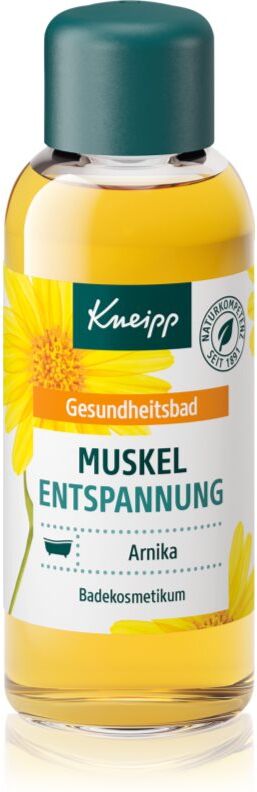
Kneipp Muscle Relaxation bath oil for tired muscles 100 mlKneipp Muscle Relaxation, 100 ml, Bath Products for Men, After a long day, nothing feels as relaxing as a long bath in a nice hot tub. Kneipp Muscle Relaxation bath oil relieves your tired or sore muscles, making you feel cosy and relaxed. It allows you to create a luxurious bathing experience in your own home to relieve tension and enhance relaxation while regenerating your tired musculoskeletal system. Characteristics: has a relaxing effect on the muscles of the body protects skin from dehydration Ingredients: vegan product How to use: Fill the cap of the bottle and add the measured amount into the flow of running water. Use water at 36–38°C to prepare the bath. Then remain in the bath for 15–20 minutes. Rinse the bathtub after bathing to prevent any discolouration.8,10 £*Shipping: 3,99 £Secure redirect to the provider
-
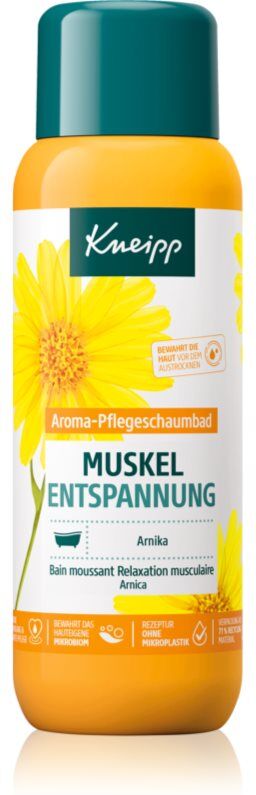
Kneipp Muscle Relaxation bath foam for tired muscles 400 mlKneipp Muscle Relaxation, 400 ml, Bubble Baths for Women, Nothing beats relaxing in a lovely aromatic bath full of bubbles. Kneipp Muscle Relaxation bubble bath will bring you moments of bliss, transforming your everyday cleansing routine into a pleasant ritual and a great experience for your whole body and senses; an experience to really look forward to. It will help your body and mind to relax and rest even after a very demanding day. Add some to running warm water. Watch the clouds of heavenly-rich foam blossom and let them pamper your senses. Your skin will have a lovely aroma. Characteristics: relaxes muscles soothes the body and mind has a pleasant fragrance softens the skin all over your body Ingredients: vegan product How to use: Fill the cap of the bottle and add the measured amount into the flow of running water. Use water at 35-38°C to prepare the bath. Then remain in the bath for 10-20 minutes. Rinse the bathtub after bathing to prevent any discolouration.5,30 £*Shipping: 3,99 £Secure redirect to the provider
-
"""Restless River""" """Restless River Le Luc Pinot Noir 2021 Red Wine - South Africa""""""Beautiful aromas of rose petals, red berries and turned soil. The palate perfectly weighted, refined, incredible purity of fruit with intense flavours and silky mouthfeel. Long, savory finish. Blend: 100% Pinot Noir Tart cherry, cola and intense..."53,99 $*Shipping: 0,00 $Secure redirect to the provider
-
Symbiosis or Parasitism?
Symbiosis refers to a mutually beneficial relationship between two different species, where both organisms benefit from the interaction. On the other hand, parasitism is a type of relationship where one organism benefits at the expense of the other, causing harm to the host organism. To determine whether a relationship is symbiotic or parasitic, it is important to consider the impact of the interaction on both species involved. **
-
Are synergy and symbiosis synonyms?
Synergy and symbiosis are not synonyms. Synergy refers to the interaction or cooperation of two or more elements to produce a combined effect greater than the sum of their separate effects. Symbiosis, on the other hand, is a mutually beneficial relationship between two different organisms. While both concepts involve interaction and cooperation, they differ in the nature of the relationship and the entities involved. **
-
What is a gfs symbiosis?
A gfs symbiosis is a mutually beneficial relationship between two or more organisms where one organism provides a necessary resource or service to the other in exchange for a different resource or service. This type of symbiosis is characterized by a close and long-term interaction between the organisms involved. The gfs symbiosis allows each organism to thrive and benefit from the partnership, ultimately leading to the success and survival of both parties. **
-
What are examples of symbiosis?
Examples of symbiosis include mutualism, where both organisms benefit from the relationship, such as the relationship between bees and flowers. Another example is commensalism, where one organism benefits and the other is neither helped nor harmed, like the relationship between barnacles and whales. Parasitism is another form of symbiosis, where one organism benefits at the expense of the other, such as ticks feeding on the blood of mammals. **
Similar search terms for Symbiosis
-
Equisalud Flower of Life Insomnia 15 mlNutrition and Supplements Natural Extracts Equisalud Flower of Life Insomnia 15 ml Flowers of Life - Insomnia by Equisalud is a dietary supplement that promotes the induction and maintenance of normal physiological sleep. Instructions for use: Take 4 drops every 4 hours throughout the day. Place the drops preferably under the tongue. Avoid contact of the dropper with your mouth. It can also be applied to the inside of the wrists, in reflexology areas, as an air freshener, or by adding a few drops to body baths.9,02 £*Shipping: 3,99 £Secure redirect to the provider
-
Algologie Circal Gel Tired LegsHealth and Beauty First aid kit Algologie Circal Gel Tired Legs Tired legs is a problem that affects a large part of the population and is mainly due to circulatory problems. CIRCAL GEL is a new complex of active ingredients of plant origin aimed at relieving the feeling of fatigue and heaviness in the legs, providing a feeling of rest and well-being. DESCRIPTION THE TIRED LEGS SYNDROME Circulatory disorders of the lower extremities affect an increasingly large sector of the population. It is estimated that about 80% of the adult population suffers from tired legs syndrome throughout life. Its most common symptoms are: feeling of heaviness in the legs tiredness swelling of the legs and ankles pain itching and the appearance of varicose veins (in the most acute cases) BLOOD CIRCULATION IN THE LEGS The circulatory system of the lower extremities is what You have a higher risk of developing disorders since in these extremities the blood return, carried out by the veins, must be done against the force of gravity. Tired legs syndrome appears to be associated with poor return blood circulation; said deficiency is due to the loss of elasticity and tone of the endothelial and muscular tissue, respectively. As a consequence of all this, the speed of blood circulation decreases, leading to stagnation of the same at the calves and ankles. The increase in hydrostatic pressure in these areas favors the leakage of fluid from the circulatory system into the tissue space, leading to swelling or edema. CAUSES OF CIRCULATORY DISORDERS IN THE LEGS Circulatory disorders in the legs are not due to a single cause but the disorder is due to a combination of various factors. Extrinsic factors: ambient temperature. The feeling of tired legs is aggravated by the heat and that is why in summer it is a time when this feeling manifests itself in a sensitive way. Sunbathing on your legs, saunas, or hot baths make the process worse. An inappropriate diet use of tight clothing sedentary lifestyle, standing or sitting for long periods Intrinsic factors: sex. In general, women are more predisposed to hormonal factors and pregnancy age. There is an increase in the incidence of tired legs with age hereditary factors: family history with circulatory problems pathologies: , heart disease, hypertension, diabetes CIRCAL is a refreshing Gel with active ingredients of plant origin such as Myrtle (or Blueberry), the Red Vine, the Rusco and the Lemon, destined to alleviate the fatigue and heaviness of the legs. Promotes circulation and decongests tissues, providing a feeling of rest and well-being. How to use: Apply as many times as necessary, massaging the legs from the bottom up. Do not apply on irritated skin, wounds or mucous membranes. Store cold for a greater refreshing and toning effect. Dermatologically tested.14,39 £*Shipping: 3,99 £Secure redirect to the provider
-
Physalis Tired Legs 30 TabletsNutrition and Supplements Special supplements Physalis Tired Legs 30 Tablets Feeling of heaviness and fatigue in your legs? A common phenomenon in some people (sometimes older people) who must stand or sit for a long time and is due to poor circulation in the lower limbs. Physalis Tired Legs is a complex that contains plant extracts and vitamin C that play an important role in the formation of collagen to ensure that the proper functioning of blood vessels is maintained. Horse chestnut helps strengthen arterial walls and maintains circulation in the legs. Rusco (ruscogenin) and melilot (coumarin) complete their action by helping to reduce the feeling of heaviness in the legs . It also contains red vine with 30% polyphenols, which have a maintenance action in case of fatigue in the legs, and trans-resveratrol. This food supplement based on plants and nutrients helps with tired, achy legs , treating problems such as: Ankle swelling Lower extremities. Capillary fragility. Poor circulation. How to use: 1 to 2 tablets a day. Take during meals with a little water.10,63 £*Shipping: 3,99 £Secure redirect to the provider
-
How would you explain symbiosis?
Symbiosis is a biological relationship between two different species that live in close proximity to each other. This relationship can be beneficial, harmful, or neutral for one or both of the species involved. There are three main types of symbiotic relationships: mutualism, where both species benefit; commensalism, where one species benefits and the other is unaffected; and parasitism, where one species benefits at the expense of the other. Symbiosis is a fundamental concept in ecology and is essential for understanding the interconnectedness of different organisms in an ecosystem. **
-
What is symbiosis in biology?
Symbiosis in biology refers to a close and long-term interaction between two different species. This interaction can be beneficial, harmful, or neutral for one or both of the species involved. There are three main types of symbiotic relationships: mutualism, where both species benefit; commensalism, where one species benefits and the other is unaffected; and parasitism, where one species benefits at the expense of the other. Symbiotic relationships are common in nature and can occur between a wide variety of organisms, including plants, animals, and microorganisms. **
-
What questions are there about symbiosis?
Some questions about symbiosis include: How do different species recognize and communicate with each other to establish a symbiotic relationship? What factors determine the success or failure of a symbiotic partnership? How do symbiotic relationships evolve over time, and what are the long-term effects on the species involved? Additionally, researchers may also explore the potential benefits and drawbacks of symbiosis in different ecosystems and how human activities impact symbiotic interactions. **
-
What are the consequences of symbiosis?
Symbiosis can have both positive and negative consequences. In mutualistic symbiosis, both organisms benefit from the relationship, such as in the case of pollination or the relationship between plants and mycorrhizal fungi. However, in parasitic symbiosis, one organism benefits at the expense of the other, leading to harm or even death of the host organism. Additionally, commensalistic symbiosis involves one organism benefiting while the other is unaffected. Overall, the consequences of symbiosis can range from mutualistic interactions that promote survival and reproduction to parasitic interactions that can be harmful or even deadly. **
* All prices are inclusive of VAT and, if applicable, plus shipping costs. The offer information is based on the details provided by the respective shop and is updated through automated processes. Real-time updates do not occur, so deviations can occur in individual cases. ** Note: Parts of this content were created by AI.