Buy schlaflos.eu ?
We are moving the project
schlaflos.eu .
Are you interested in purchasing the domain
schlaflos.eu ?
domain@kv-gmbh.de · 0541-91531010
Buy schlaflos.eu ?
What is skepticism?
Skepticism is an attitude of doubt or disbelief towards certain beliefs or claims. It involves questioning the validity or truth of something, often requiring evidence or logical reasoning to support a claim before accepting it as true. Skepticism can be a healthy approach to critically evaluating information and avoiding being misled by false or unsubstantiated claims. It encourages individuals to think critically and not accept information at face value. **
"Is my skepticism justified?"
It is natural to have skepticism, as it can help us critically evaluate information and make informed decisions. However, it is important to balance skepticism with an open mind and willingness to consider new perspectives. Reflect on the reasons for your skepticism and seek out reliable sources of information to validate your concerns. Ultimately, it is important to trust your instincts and make decisions that align with your values and beliefs. **
Similar search terms for Skepticism
Top-Angebote
Products related to Skepticism:
-
"""Restless River""" """Restless River Le Luc Pinot Noir 2021 Red Wine - South Africa""""""Beautiful aromas of rose petals, red berries and turned soil. The palate perfectly weighted, refined, incredible purity of fruit with intense flavours and silky mouthfeel. Long, savory finish. Blend: 100% Pinot Noir Tart cherry, cola and intense..."53,99 $*Shipping: 0,00 $Secure redirect to the provider
-
Equisalud Flower of Life Insomnia 15 mlNutrition and Supplements Natural Extracts Equisalud Flower of Life Insomnia 15 ml Flowers of Life - Insomnia by Equisalud is a dietary supplement that promotes the induction and maintenance of normal physiological sleep. Instructions for use: Take 4 drops every 4 hours throughout the day. Place the drops preferably under the tongue. Avoid contact of the dropper with your mouth. It can also be applied to the inside of the wrists, in reflexology areas, as an air freshener, or by adding a few drops to body baths.9,05 £*Shipping: 3,99 £Secure redirect to the provider




-
What is Bertrand Russell's skepticism?
Bertrand Russell's skepticism is a philosophical position that questions the possibility of attaining certain knowledge. He believed that our beliefs and knowledge should be based on evidence and reason rather than faith or intuition. Russell was skeptical of metaphysical claims and religious beliefs, advocating for a scientific and empirical approach to understanding the world. His skepticism led him to challenge traditional philosophical and religious doctrines, encouraging critical thinking and open-mindedness. **
-
Has philosophy or even science overcome skepticism?
Philosophy and science have made significant progress in addressing skepticism, but it is an ongoing process. Both disciplines have developed methods and theories to challenge and counter skepticism, such as the scientific method and philosophical arguments for the reliability of knowledge. However, skepticism continues to be a fundamental challenge in both fields, and there is ongoing debate and inquiry into how to best address and overcome it. While progress has been made, it is an ongoing and complex issue that continues to be a central concern in philosophy and science. **
-
What is the difference between skepticism and rationalism?
Skepticism is the questioning of knowledge and beliefs, often doubting the certainty of truth claims and requiring evidence or justification for beliefs. Rationalism, on the other hand, is the belief that reason and logic are the primary sources of knowledge and justification for beliefs. While skepticism focuses on questioning and doubting beliefs, rationalism emphasizes the importance of reason and logical thinking in forming beliefs and understanding the world. **
-
What is the difference between skepticism and pessimism?
Skepticism is a questioning attitude towards knowledge, beliefs, or claims, where one doubts the validity or truth of something until sufficient evidence is provided. Pessimism, on the other hand, is a negative outlook or belief that things will turn out badly or that the worst will happen. While skepticism involves a critical evaluation of information, pessimism is more about expecting negative outcomes. **


Is the skepticism justified that my friend has a second phone?
It is natural to feel skeptical if your friend has a second phone, as it may raise questions about their intentions or activities. However, it is important to communicate openly with your friend to understand the reason behind having a second phone. It could be for legitimate reasons such as work, privacy, or personal organization. It is essential to approach the situation with an open mind and have a conversation with your friend to address any concerns you may have. **
What is the connection between empiricism, skepticism, and the problem of induction?
Empiricism is the philosophical belief that knowledge comes primarily from sensory experience. Skepticism, on the other hand, is the questioning of the possibility of knowledge and the reliability of our senses. The problem of induction arises in the context of empiricism and skepticism because it questions the validity of making generalizations based on past experiences. In other words, how can we be certain that future events will follow the same patterns as past events, especially when our sensory experiences may be limited or unreliable? **
Top-Angebote
Products related to Skepticism:
-
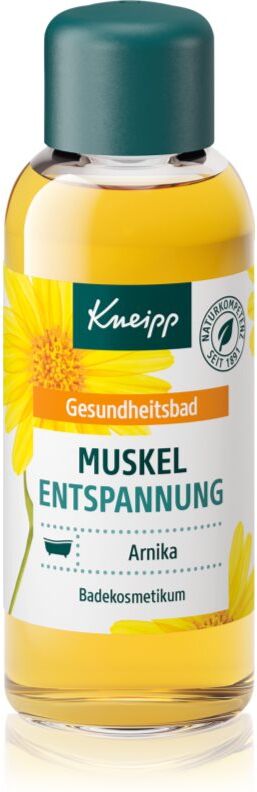
Kneipp Muscle Relaxation bath oil for tired muscles 100 mlKneipp Muscle Relaxation, 100 ml, Bath Products for Men, After a long day, nothing feels as relaxing as a long bath in a nice hot tub. Kneipp Muscle Relaxation bath oil relieves your tired or sore muscles, making you feel cosy and relaxed. It allows you to create a luxurious bathing experience in your own home to relieve tension and enhance relaxation while regenerating your tired musculoskeletal system. Characteristics: has a relaxing effect on the muscles of the body protects skin from dehydration Ingredients: vegan product How to use: Fill the cap of the bottle and add the measured amount into the flow of running water. Use water at 36–38°C to prepare the bath. Then remain in the bath for 15–20 minutes. Rinse the bathtub after bathing to prevent any discolouration.6,37 £*Shipping: 3,99 £Secure redirect to the provider
-
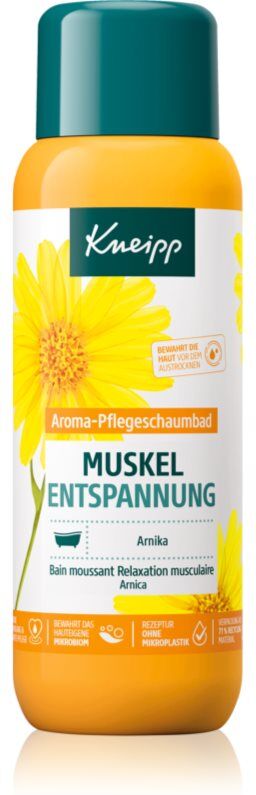
Kneipp Muscle Relaxation bath foam for tired muscles 400 mlKneipp Muscle Relaxation, 400 ml, Bubble Baths for Women, Nothing beats relaxing in a lovely aromatic bath full of bubbles. Kneipp Muscle Relaxation bubble bath will bring you moments of bliss, transforming your everyday cleansing routine into a pleasant ritual and a great experience for your whole body and senses; an experience to really look forward to. It will help your body and mind to relax and rest even after a very demanding day. Add some to running warm water. Watch the clouds of heavenly-rich foam blossom and let them pamper your senses. Your skin will have a lovely aroma. Characteristics: relaxes muscles soothes the body and mind has a pleasant fragrance softens the skin all over your body Ingredients: vegan product How to use: Fill the cap of the bottle and add the measured amount into the flow of running water. Use water at 35-38°C to prepare the bath. Then remain in the bath for 10-20 minutes. Rinse the bathtub after bathing to prevent any discolouration.4,17 £*Shipping: 3,99 £Secure redirect to the provider
-
"""Restless River""" """Restless River Le Luc Pinot Noir 2021 Red Wine - South Africa""""""Beautiful aromas of rose petals, red berries and turned soil. The palate perfectly weighted, refined, incredible purity of fruit with intense flavours and silky mouthfeel. Long, savory finish. Blend: 100% Pinot Noir Tart cherry, cola and intense..."53,99 $*Shipping: 0,00 $Secure redirect to the provider
-
What is skepticism?
Skepticism is an attitude of doubt or disbelief towards certain beliefs or claims. It involves questioning the validity or truth of something, often requiring evidence or logical reasoning to support a claim before accepting it as true. Skepticism can be a healthy approach to critically evaluating information and avoiding being misled by false or unsubstantiated claims. It encourages individuals to think critically and not accept information at face value. **
-
"Is my skepticism justified?"
It is natural to have skepticism, as it can help us critically evaluate information and make informed decisions. However, it is important to balance skepticism with an open mind and willingness to consider new perspectives. Reflect on the reasons for your skepticism and seek out reliable sources of information to validate your concerns. Ultimately, it is important to trust your instincts and make decisions that align with your values and beliefs. **
-
What is Bertrand Russell's skepticism?
Bertrand Russell's skepticism is a philosophical position that questions the possibility of attaining certain knowledge. He believed that our beliefs and knowledge should be based on evidence and reason rather than faith or intuition. Russell was skeptical of metaphysical claims and religious beliefs, advocating for a scientific and empirical approach to understanding the world. His skepticism led him to challenge traditional philosophical and religious doctrines, encouraging critical thinking and open-mindedness. **
-
Has philosophy or even science overcome skepticism?
Philosophy and science have made significant progress in addressing skepticism, but it is an ongoing process. Both disciplines have developed methods and theories to challenge and counter skepticism, such as the scientific method and philosophical arguments for the reliability of knowledge. However, skepticism continues to be a fundamental challenge in both fields, and there is ongoing debate and inquiry into how to best address and overcome it. While progress has been made, it is an ongoing and complex issue that continues to be a central concern in philosophy and science. **
Similar search terms for Skepticism
-
Equisalud Flower of Life Insomnia 15 mlNutrition and Supplements Natural Extracts Equisalud Flower of Life Insomnia 15 ml Flowers of Life - Insomnia by Equisalud is a dietary supplement that promotes the induction and maintenance of normal physiological sleep. Instructions for use: Take 4 drops every 4 hours throughout the day. Place the drops preferably under the tongue. Avoid contact of the dropper with your mouth. It can also be applied to the inside of the wrists, in reflexology areas, as an air freshener, or by adding a few drops to body baths.9,05 £*Shipping: 3,99 £Secure redirect to the provider
-
Helps Tired Legs 20 InfusionsNutrition and Supplements Natural Extracts Helps Tired Legs 20 Infusions Healthy infusion made from top-quality plants : red vine, melilot, witch hazel, and cranberry. A sedentary lifestyle, diet, heredity, or hormonal changes directly affect blood circulation. This infusion is a natural way to promote circulation and reduce discomfort and heaviness in the legs . It is recommended to take 3 infusions a day. Helps Tired Legs comes in a cardboard box with 20 biodegradable infusion bags made of filter paper, heat-sealed with cotton thread and a sewn-in label. * Infusion not suitable for children under 12 years old. * Not recommended for use during pregnancy or breastfeeding. * Contains no colorings or preservatives.2,94 £*Shipping: 3,99 £Secure redirect to the provider
-
Algologie Circal Gel Tired LegsHealth and Beauty First aid kit Algologie Circal Gel Tired Legs Tired legs is a problem that affects a large part of the population and is mainly due to circulatory problems. CIRCAL GEL is a new complex of active ingredients of plant origin aimed at relieving the feeling of fatigue and heaviness in the legs, providing a feeling of rest and well-being. DESCRIPTION THE TIRED LEGS SYNDROME Circulatory disorders of the lower extremities affect an increasingly large sector of the population. It is estimated that about 80% of the adult population suffers from tired legs syndrome throughout life. Its most common symptoms are: feeling of heaviness in the legs tiredness swelling of the legs and ankles pain itching and the appearance of varicose veins (in the most acute cases) BLOOD CIRCULATION IN THE LEGS The circulatory system of the lower extremities is what You have a higher risk of developing disorders since in these extremities the blood return, carried out by the veins, must be done against the force of gravity. Tired legs syndrome appears to be associated with poor return blood circulation; said deficiency is due to the loss of elasticity and tone of the endothelial and muscular tissue, respectively. As a consequence of all this, the speed of blood circulation decreases, leading to stagnation of the same at the calves and ankles. The increase in hydrostatic pressure in these areas favors the leakage of fluid from the circulatory system into the tissue space, leading to swelling or edema. CAUSES OF CIRCULATORY DISORDERS IN THE LEGS Circulatory disorders in the legs are not due to a single cause but the disorder is due to a combination of various factors. Extrinsic factors: ambient temperature. The feeling of tired legs is aggravated by the heat and that is why in summer it is a time when this feeling manifests itself in a sensitive way. Sunbathing on your legs, saunas, or hot baths make the process worse. An inappropriate diet use of tight clothing sedentary lifestyle, standing or sitting for long periods Intrinsic factors: sex. In general, women are more predisposed to hormonal factors and pregnancy age. There is an increase in the incidence of tired legs with age hereditary factors: family history with circulatory problems pathologies: , heart disease, hypertension, diabetes CIRCAL is a refreshing Gel with active ingredients of plant origin such as Myrtle (or Blueberry), the Red Vine, the Rusco and the Lemon, destined to alleviate the fatigue and heaviness of the legs. Promotes circulation and decongests tissues, providing a feeling of rest and well-being. How to use: Apply as many times as necessary, massaging the legs from the bottom up. Do not apply on irritated skin, wounds or mucous membranes. Store cold for a greater refreshing and toning effect. Dermatologically tested.14,44 £*Shipping: 3,99 £Secure redirect to the provider
-
What is the difference between skepticism and rationalism?
Skepticism is the questioning of knowledge and beliefs, often doubting the certainty of truth claims and requiring evidence or justification for beliefs. Rationalism, on the other hand, is the belief that reason and logic are the primary sources of knowledge and justification for beliefs. While skepticism focuses on questioning and doubting beliefs, rationalism emphasizes the importance of reason and logical thinking in forming beliefs and understanding the world. **
-
What is the difference between skepticism and pessimism?
Skepticism is a questioning attitude towards knowledge, beliefs, or claims, where one doubts the validity or truth of something until sufficient evidence is provided. Pessimism, on the other hand, is a negative outlook or belief that things will turn out badly or that the worst will happen. While skepticism involves a critical evaluation of information, pessimism is more about expecting negative outcomes. **
-
Is the skepticism justified that my friend has a second phone?
It is natural to feel skeptical if your friend has a second phone, as it may raise questions about their intentions or activities. However, it is important to communicate openly with your friend to understand the reason behind having a second phone. It could be for legitimate reasons such as work, privacy, or personal organization. It is essential to approach the situation with an open mind and have a conversation with your friend to address any concerns you may have. **
-
What is the connection between empiricism, skepticism, and the problem of induction?
Empiricism is the philosophical belief that knowledge comes primarily from sensory experience. Skepticism, on the other hand, is the questioning of the possibility of knowledge and the reliability of our senses. The problem of induction arises in the context of empiricism and skepticism because it questions the validity of making generalizations based on past experiences. In other words, how can we be certain that future events will follow the same patterns as past events, especially when our sensory experiences may be limited or unreliable? **
* All prices are inclusive of VAT and, if applicable, plus shipping costs. The offer information is based on the details provided by the respective shop and is updated through automated processes. Real-time updates do not occur, so deviations can occur in individual cases. ** Note: Parts of this content were created by AI.