Buy schlaflos.eu ?
We are moving the project
schlaflos.eu .
Are you interested in purchasing the domain
schlaflos.eu ?
domain@kv-gmbh.de · 0541-91531010
Buy schlaflos.eu ?
What is a simple explanation for relaxation in materials science?
Relaxation in materials science refers to the process by which a material gradually returns to its original shape or state after being subjected to a stress or deformation. This occurs due to the rearrangement of atoms or molecules within the material, allowing it to release the stored energy and reduce the internal stresses. In simpler terms, relaxation is like the material taking a deep breath and returning to its natural state after being stretched or compressed. This phenomenon is important to understand in various applications, such as in the design of durable and resilient materials. **
Is Simple Present and Present Simple the same thing?
Yes, "Simple Present" and "Present Simple" are the same thing. They both refer to the tense used to describe actions that happen regularly, habits, general truths, and scheduled events in the present time. Both terms can be used interchangeably to describe the basic present tense in English grammar. **
Similar search terms for Simple
Top-Angebote
Products related to Simple:
-
Rare Purchases Office Foot Rest Special Adjustable Foot Stool, Folding Light Luxury Foot Artifact, Simple Anti Skid Stool with Leg RestUpgrade your daily comfort with this Special Adjustable Foot Stool designed to support healthier posture, reduce leg fatigue, and improve focus during long work hours. Whether you work from home or in a professional office, this Simple Office Foot...699,97 $*Shipping: 0,00 $Secure redirect to the provider
-
Uplifted Finds Simple Cute Cat Illustrations Ceramic Mug 225ml Oat Milk Latte & Breakfast Cup rest"Start your day with a smile using this Simple Cute Cat Illustrations Pattern Mug, a perfect blend of minimalist charm and functional design. Featuring a delightful ""Cat's Daily Routine"" print, this 225ml coffee cup is ideal for serving oat milk..."82,97 $*Shipping: 0,00 $Secure redirect to the provider
-
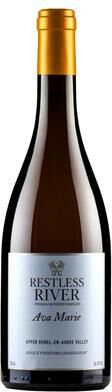
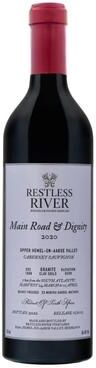
"""Restless River""" """Restless River Le Luc Pinot Noir 2021 Red Wine - South Africa""""""Beautiful aromas of rose petals, red berries and turned soil. The palate perfectly weighted, refined, incredible purity of fruit with intense flavours and silky mouthfeel. Long, savory finish. Blend: 100% Pinot Noir Tart cherry, cola and intense..."53,99 $*Shipping: 0,00 $Secure redirect to the provider



-
Can you help me form or rearrange simple sentences in the Simple Present and Simple Past?
Yes, I can help you form or rearrange simple sentences in the Simple Present and Simple Past. For example, in the Simple Present, you can say "I eat breakfast every morning" or "She goes to the gym after work." In the Simple Past, you can say "I visited my friend yesterday" or "They watched a movie last night." If you have specific sentences you'd like help with, feel free to provide them and I can assist you in forming or rearranging them. **
-
What is the difference between Simple Past and Simple Present?
The main difference between Simple Past and Simple Present is the timeframe they refer to. Simple Present is used to talk about actions that are happening now or regularly occur, while Simple Past is used to talk about actions that were completed in the past. In Simple Present, the verb is in its base form or with an -s ending for third person singular subjects, while in Simple Past, regular verbs end in -ed and irregular verbs have specific past tense forms. **
-
How do I distinguish between Simple Past and Simple Present?
The Simple Past tense is used to talk about actions that were completed in the past, while the Simple Present tense is used to talk about actions that are happening in the present. To distinguish between the two, look for keywords such as "yesterday," "last week," or specific times that indicate the action happened in the past, which would indicate the use of Simple Past. On the other hand, if the sentence includes words like "now," "currently," or general time markers, it is likely using Simple Present. Additionally, pay attention to the verb forms - Simple Past verbs often end in "-ed" or have irregular forms, while Simple Present verbs typically end in "-s" in the third person singular form. **
-
How do I differentiate between Simple Past and Simple Present?
To differentiate between Simple Past and Simple Present, you need to look at the timing of the action. Simple Past is used to talk about actions that happened in the past and are completed. It is formed by adding -ed to regular verbs or using the past form of irregular verbs. On the other hand, Simple Present is used to talk about actions that are happening now, habitual actions, general truths, or scheduled future events. It is formed by using the base form of the verb. By paying attention to the timing of the action and the form of the verb, you can easily differentiate between Simple Past and Simple Present. **
What is the difference again between Simple Past and Simple Present?
The simple present tense is used to describe actions that are happening right now or regularly occurring actions. For example, "I eat breakfast every morning." On the other hand, the simple past tense is used to describe actions that have already happened in the past. For example, "I ate breakfast yesterday." In summary, the simple present tense is used for present actions or habits, while the simple past tense is used for actions that have already occurred in the past. **
Will French Future Simple?
Yes, French does have a future simple tense. It is used to express actions that will happen in the future. The future simple tense is formed by adding specific endings to the infinitive form of the verb. It is a commonly used tense in French to talk about future plans, intentions, or predictions. **
Top-Angebote
Products related to Simple:
-
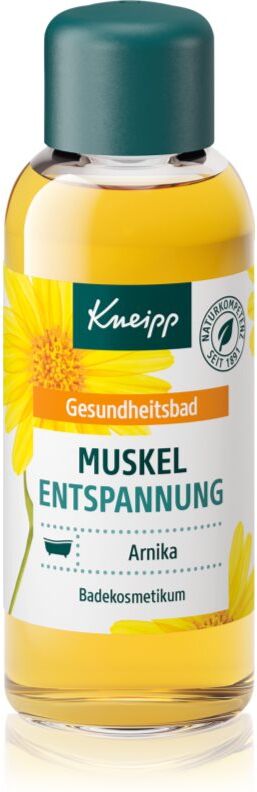
Kneipp Muscle Relaxation bath oil for tired muscles 100 mlKneipp Muscle Relaxation, 100 ml, Bath Products for Men, After a long day, nothing feels as relaxing as a long bath in a nice hot tub. Kneipp Muscle Relaxation bath oil relieves your tired or sore muscles, making you feel cosy and relaxed. It allows you to create a luxurious bathing experience in your own home to relieve tension and enhance relaxation while regenerating your tired musculoskeletal system. Characteristics: has a relaxing effect on the muscles of the body protects skin from dehydration Ingredients: vegan product How to use: Fill the cap of the bottle and add the measured amount into the flow of running water. Use water at 36–38°C to prepare the bath. Then remain in the bath for 15–20 minutes. Rinse the bathtub after bathing to prevent any discolouration.6,37 £*Shipping: 3,99 £Secure redirect to the provider
-
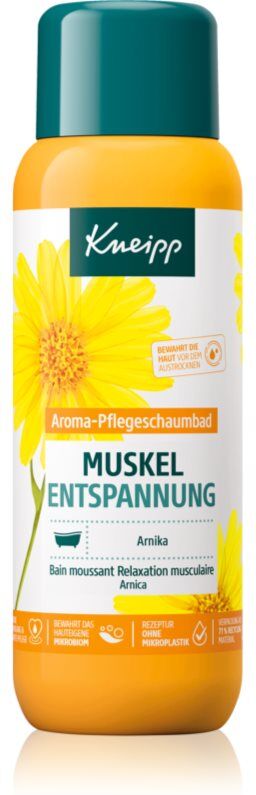
Kneipp Muscle Relaxation bath foam for tired muscles 400 mlKneipp Muscle Relaxation, 400 ml, Bubble Baths for Women, Nothing beats relaxing in a lovely aromatic bath full of bubbles. Kneipp Muscle Relaxation bubble bath will bring you moments of bliss, transforming your everyday cleansing routine into a pleasant ritual and a great experience for your whole body and senses; an experience to really look forward to. It will help your body and mind to relax and rest even after a very demanding day. Add some to running warm water. Watch the clouds of heavenly-rich foam blossom and let them pamper your senses. Your skin will have a lovely aroma. Characteristics: relaxes muscles soothes the body and mind has a pleasant fragrance softens the skin all over your body Ingredients: vegan product How to use: Fill the cap of the bottle and add the measured amount into the flow of running water. Use water at 35-38°C to prepare the bath. Then remain in the bath for 10-20 minutes. Rinse the bathtub after bathing to prevent any discolouration.4,17 £*Shipping: 3,99 £Secure redirect to the provider
-
Rare Purchases Office Foot Rest Special Adjustable Foot Stool, Folding Light Luxury Foot Artifact, Simple Anti Skid Stool with Leg RestUpgrade your daily comfort with this Special Adjustable Foot Stool designed to support healthier posture, reduce leg fatigue, and improve focus during long work hours. Whether you work from home or in a professional office, this Simple Office Foot...699,97 $*Shipping: 0,00 $Secure redirect to the provider
-
Uplifted Finds Simple Cute Cat Illustrations Ceramic Mug 225ml Oat Milk Latte & Breakfast Cup rest"Start your day with a smile using this Simple Cute Cat Illustrations Pattern Mug, a perfect blend of minimalist charm and functional design. Featuring a delightful ""Cat's Daily Routine"" print, this 225ml coffee cup is ideal for serving oat milk..."82,97 $*Shipping: 0,00 $Secure redirect to the provider
-
What is a simple explanation for relaxation in materials science?
Relaxation in materials science refers to the process by which a material gradually returns to its original shape or state after being subjected to a stress or deformation. This occurs due to the rearrangement of atoms or molecules within the material, allowing it to release the stored energy and reduce the internal stresses. In simpler terms, relaxation is like the material taking a deep breath and returning to its natural state after being stretched or compressed. This phenomenon is important to understand in various applications, such as in the design of durable and resilient materials. **
-
Is Simple Present and Present Simple the same thing?
Yes, "Simple Present" and "Present Simple" are the same thing. They both refer to the tense used to describe actions that happen regularly, habits, general truths, and scheduled events in the present time. Both terms can be used interchangeably to describe the basic present tense in English grammar. **
-
Can you help me form or rearrange simple sentences in the Simple Present and Simple Past?
Yes, I can help you form or rearrange simple sentences in the Simple Present and Simple Past. For example, in the Simple Present, you can say "I eat breakfast every morning" or "She goes to the gym after work." In the Simple Past, you can say "I visited my friend yesterday" or "They watched a movie last night." If you have specific sentences you'd like help with, feel free to provide them and I can assist you in forming or rearranging them. **
-
What is the difference between Simple Past and Simple Present?
The main difference between Simple Past and Simple Present is the timeframe they refer to. Simple Present is used to talk about actions that are happening now or regularly occur, while Simple Past is used to talk about actions that were completed in the past. In Simple Present, the verb is in its base form or with an -s ending for third person singular subjects, while in Simple Past, regular verbs end in -ed and irregular verbs have specific past tense forms. **
Similar search terms for Simple
-
"""Restless River""" """Restless River Le Luc Pinot Noir 2021 Red Wine - South Africa""""""Beautiful aromas of rose petals, red berries and turned soil. The palate perfectly weighted, refined, incredible purity of fruit with intense flavours and silky mouthfeel. Long, savory finish. Blend: 100% Pinot Noir Tart cherry, cola and intense..."53,99 $*Shipping: 0,00 $Secure redirect to the provider
-
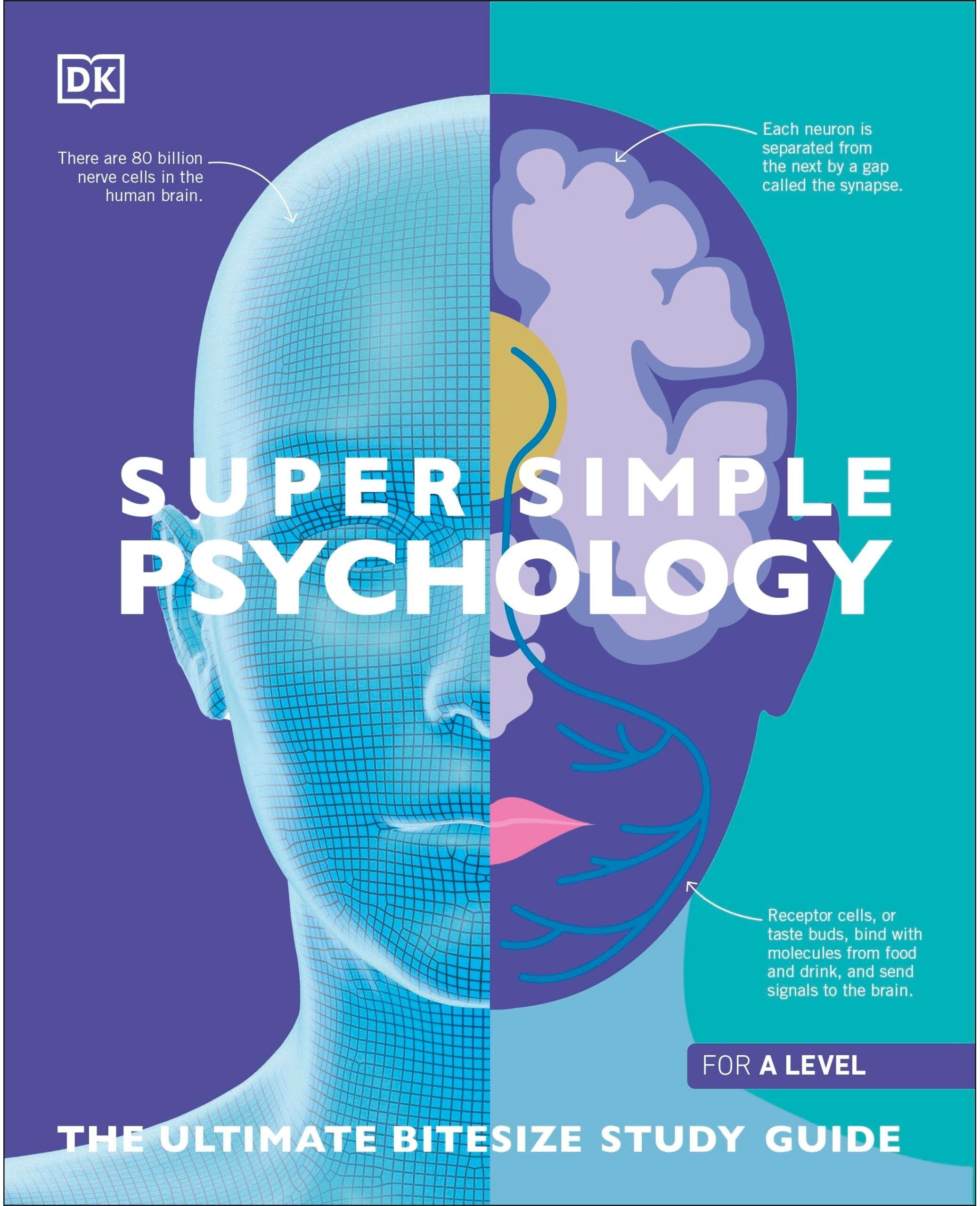
Super Simple Psychology: The Ultimate Bitesize Study Guide (DK Super Simple)Expand your Psychology knowledge with this easy-to-use study guide which has everything A Level students need to get to grips with this fascinating subject. Super Simple Psychology breaks down complex information into manageable, bitesize chunks, and it covers all the key topics, ranging from brain anatomy and memory to phobias and types of therapy. With clear and straightforward coverage of all the core Psychology topics, this is the ideal companion for students looking for concise information to support them with classwork, homework, and exams. This psychology study guide offers: - Material that supports A Level and International Baccalaureate curriculum, complementing coursework and exam revision. - An easy-to-use layout, with one topic per page and key facts for every topic. - Visual explanations that help tackle complex topics and make learning straightforward. Super Simple Psychology contains all the essential topics for A Level Psychology in one handy study guide. Each page covers one topic and is designed and illustrated to make the facts easy to understand and remember and to bring the subject to life. Information panels explain and analyse key theories and studies with the help of simple graphics and a useful "Key facts" box on every page provides a summary to help with revision.6,79 £*Shipping: 2,99 £Secure redirect to the provider
-
How do I distinguish between Simple Past and Simple Present?
The Simple Past tense is used to talk about actions that were completed in the past, while the Simple Present tense is used to talk about actions that are happening in the present. To distinguish between the two, look for keywords such as "yesterday," "last week," or specific times that indicate the action happened in the past, which would indicate the use of Simple Past. On the other hand, if the sentence includes words like "now," "currently," or general time markers, it is likely using Simple Present. Additionally, pay attention to the verb forms - Simple Past verbs often end in "-ed" or have irregular forms, while Simple Present verbs typically end in "-s" in the third person singular form. **
-
How do I differentiate between Simple Past and Simple Present?
To differentiate between Simple Past and Simple Present, you need to look at the timing of the action. Simple Past is used to talk about actions that happened in the past and are completed. It is formed by adding -ed to regular verbs or using the past form of irregular verbs. On the other hand, Simple Present is used to talk about actions that are happening now, habitual actions, general truths, or scheduled future events. It is formed by using the base form of the verb. By paying attention to the timing of the action and the form of the verb, you can easily differentiate between Simple Past and Simple Present. **
-
What is the difference again between Simple Past and Simple Present?
The simple present tense is used to describe actions that are happening right now or regularly occurring actions. For example, "I eat breakfast every morning." On the other hand, the simple past tense is used to describe actions that have already happened in the past. For example, "I ate breakfast yesterday." In summary, the simple present tense is used for present actions or habits, while the simple past tense is used for actions that have already occurred in the past. **
-
Will French Future Simple?
Yes, French does have a future simple tense. It is used to express actions that will happen in the future. The future simple tense is formed by adding specific endings to the infinitive form of the verb. It is a commonly used tense in French to talk about future plans, intentions, or predictions. **
* All prices are inclusive of VAT and, if applicable, plus shipping costs. The offer information is based on the details provided by the respective shop and is updated through automated processes. Real-time updates do not occur, so deviations can occur in individual cases. ** Note: Parts of this content were created by AI.