Buy schlaflos.eu ?
We are moving the project
schlaflos.eu .
Are you interested in purchasing the domain
schlaflos.eu ?
domain@kv-gmbh.de · 0541-91531010
Buy schlaflos.eu ?
Romantic or Romanesque?
The terms "romantic" and "romanesque" refer to different artistic and architectural styles. "Romantic" typically refers to a style characterized by emotion, imagination, and a focus on nature, while "romanesque" refers to a style of architecture that was prevalent in medieval Europe, characterized by thick walls, rounded arches, and decorative elements. Therefore, the choice between "romantic" or "romanesque" would depend on the specific context or artistic preference being discussed. **
What is Romanesque 2?
Romanesque 2 is a style of architecture that developed in medieval Europe during the 11th and 12th centuries. It is characterized by its use of rounded arches, thick walls, and decorative elements such as sculpted capitals and intricate carvings. Romanesque 2 also features a strong emphasis on symmetry and a sense of grandeur, often seen in the design of churches, castles, and other religious and secular buildings. This architectural style is considered a continuation of the earlier Romanesque style, with some new innovations and regional variations. **

Similar search terms for Romanesque
Top-Angebote
Products related to Romanesque:
-
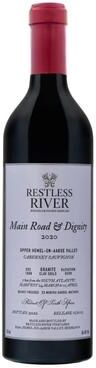
"""Restless River""" """Restless River Le Luc Pinot Noir 2021 Red Wine - South Africa""""""Beautiful aromas of rose petals, red berries and turned soil. The palate perfectly weighted, refined, incredible purity of fruit with intense flavours and silky mouthfeel. Long, savory finish. Blend: 100% Pinot Noir Tart cherry, cola and intense..."53,99 $*Shipping: 0,00 $Secure redirect to the provider
-
Equisalud Flower of Life Insomnia 15 mlNutrition and Supplements Natural Extracts Equisalud Flower of Life Insomnia 15 ml Flowers of Life - Insomnia by Equisalud is a dietary supplement that promotes the induction and maintenance of normal physiological sleep. Instructions for use: Take 4 drops every 4 hours throughout the day. Place the drops preferably under the tongue. Avoid contact of the dropper with your mouth. It can also be applied to the inside of the wrists, in reflexology areas, as an air freshener, or by adding a few drops to body baths.9,02 £*Shipping: 3,99 £Secure redirect to the provider



-
Who were the architects of Romanesque architecture?
The architects of Romanesque architecture were primarily anonymous master builders and craftsmen who worked on the construction of churches, monasteries, and other religious buildings during the Romanesque period (approximately 1000-1200 AD). These skilled artisans were often members of guilds or religious orders and were responsible for designing and constructing the thick-walled, fortress-like structures characteristic of Romanesque architecture. While specific names of architects are rarely known, their collective work has left a lasting legacy in the form of some of the most iconic buildings of the medieval period. **
-
Who are famous figures of the Romanesque period?
Some famous figures of the Romanesque period include Abbot Suger, who was a key figure in the development of Gothic architecture; Pope Urban II, who called for the First Crusade in 1095; and William the Conqueror, who commissioned the construction of many Romanesque buildings in England, such as the Tower of London. These figures played significant roles in shaping the political, religious, and architectural landscape of the Romanesque period. **
-
Who are famous people of the Romanesque period?
Some famous people of the Romanesque period include Pope Urban II, who called for the First Crusade in 1095, and William the Conqueror, who led the Norman Conquest of England in 1066. Additionally, Hildegarde of Bingen, a German abbess, composer, and mystic, was a prominent figure during this time. Architectural figures such as Abbot Suger, who oversaw the construction of the Abbey Church of St. Denis in France, also made significant contributions to the Romanesque period. **
-
What is the difference between Romanesque and Gothic?
Romanesque architecture is characterized by thick walls, rounded arches, and small windows, while Gothic architecture features pointed arches, ribbed vaults, and flying buttresses. Romanesque buildings tend to have a more fortress-like appearance, while Gothic buildings are taller and more delicate in appearance. Additionally, Romanesque churches often have a single, massive tower, while Gothic churches typically have multiple towers and spires. Overall, Romanesque architecture is more solid and heavy, while Gothic architecture is more light and airy. **

How can Gothic and Romanesque architecture be compared?
Gothic and Romanesque architecture can be compared in several ways. Both styles are characterized by their use of stone construction, thick walls, and large, imposing structures. However, Gothic architecture is known for its pointed arches, ribbed vaults, and flying buttresses, which allow for taller and more open interior spaces. On the other hand, Romanesque architecture is characterized by its rounded arches, barrel vaults, and heavy, fortress-like appearance. Additionally, Gothic architecture is often associated with a more vertical and ethereal aesthetic, while Romanesque architecture tends to have a more solid and grounded feel. **
Who were the most significant artists in the Romanesque period?
Some of the most significant artists in the Romanesque period were the anonymous master builders and sculptors who created the magnificent cathedrals and churches of the time. These artists were responsible for the intricate carvings, sculptures, and architectural designs that defined the Romanesque style. Additionally, the illuminated manuscripts created by monks in monasteries were also significant artistic achievements of the period. Notable examples include the Winchester Bible and the León Bible. These artists and craftsmen played a crucial role in shaping the artistic and architectural landscape of the Romanesque period. **
Top-Angebote
Products related to Romanesque:
-
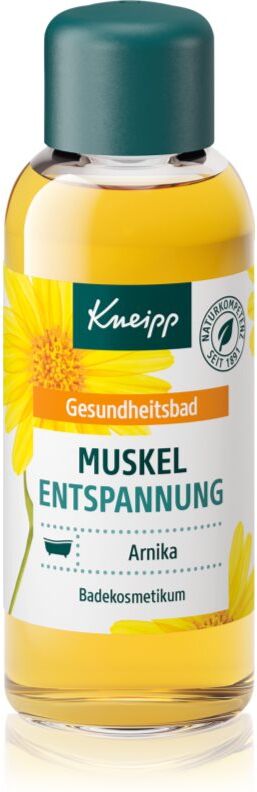
Kneipp Muscle Relaxation bath oil for tired muscles 100 mlKneipp Muscle Relaxation, 100 ml, Bath Products for Men, After a long day, nothing feels as relaxing as a long bath in a nice hot tub. Kneipp Muscle Relaxation bath oil relieves your tired or sore muscles, making you feel cosy and relaxed. It allows you to create a luxurious bathing experience in your own home to relieve tension and enhance relaxation while regenerating your tired musculoskeletal system. Characteristics: has a relaxing effect on the muscles of the body protects skin from dehydration Ingredients: vegan product How to use: Fill the cap of the bottle and add the measured amount into the flow of running water. Use water at 36–38°C to prepare the bath. Then remain in the bath for 15–20 minutes. Rinse the bathtub after bathing to prevent any discolouration.6,89 £*Shipping: 3,99 £Secure redirect to the provider
-
Kneipp Muscle Relaxation bath foam for tired muscles 400 mlKneipp Muscle Relaxation, 400 ml, Bubble Baths for Women, Nothing beats relaxing in a lovely aromatic bath full of bubbles. Kneipp Muscle Relaxation bubble bath will bring you moments of bliss, transforming your everyday cleansing routine into a pleasant ritual and a great experience for your whole body and senses; an experience to really look forward to. It will help your body and mind to relax and rest even after a very demanding day. Add some to running warm water. Watch the clouds of heavenly-rich foam blossom and let them pamper your senses. Your skin will have a lovely aroma. Characteristics: relaxes muscles soothes the body and mind has a pleasant fragrance softens the skin all over your body Ingredients: vegan product How to use: Fill the cap of the bottle and add the measured amount into the flow of running water. Use water at 35-38°C to prepare the bath. Then remain in the bath for 10-20 minutes. Rinse the bathtub after bathing to prevent any discolouration.4,51 £*Shipping: 3,99 £Secure redirect to the provider
-
"""Restless River""" """Restless River Le Luc Pinot Noir 2021 Red Wine - South Africa""""""Beautiful aromas of rose petals, red berries and turned soil. The palate perfectly weighted, refined, incredible purity of fruit with intense flavours and silky mouthfeel. Long, savory finish. Blend: 100% Pinot Noir Tart cherry, cola and intense..."53,99 $*Shipping: 0,00 $Secure redirect to the provider
-
Romantic or Romanesque?
The terms "romantic" and "romanesque" refer to different artistic and architectural styles. "Romantic" typically refers to a style characterized by emotion, imagination, and a focus on nature, while "romanesque" refers to a style of architecture that was prevalent in medieval Europe, characterized by thick walls, rounded arches, and decorative elements. Therefore, the choice between "romantic" or "romanesque" would depend on the specific context or artistic preference being discussed. **
-
What is Romanesque 2?
Romanesque 2 is a style of architecture that developed in medieval Europe during the 11th and 12th centuries. It is characterized by its use of rounded arches, thick walls, and decorative elements such as sculpted capitals and intricate carvings. Romanesque 2 also features a strong emphasis on symmetry and a sense of grandeur, often seen in the design of churches, castles, and other religious and secular buildings. This architectural style is considered a continuation of the earlier Romanesque style, with some new innovations and regional variations. **
-
Who were the architects of Romanesque architecture?
The architects of Romanesque architecture were primarily anonymous master builders and craftsmen who worked on the construction of churches, monasteries, and other religious buildings during the Romanesque period (approximately 1000-1200 AD). These skilled artisans were often members of guilds or religious orders and were responsible for designing and constructing the thick-walled, fortress-like structures characteristic of Romanesque architecture. While specific names of architects are rarely known, their collective work has left a lasting legacy in the form of some of the most iconic buildings of the medieval period. **
-
Who are famous figures of the Romanesque period?
Some famous figures of the Romanesque period include Abbot Suger, who was a key figure in the development of Gothic architecture; Pope Urban II, who called for the First Crusade in 1095; and William the Conqueror, who commissioned the construction of many Romanesque buildings in England, such as the Tower of London. These figures played significant roles in shaping the political, religious, and architectural landscape of the Romanesque period. **
Similar search terms for Romanesque
-
Equisalud Flower of Life Insomnia 15 mlNutrition and Supplements Natural Extracts Equisalud Flower of Life Insomnia 15 ml Flowers of Life - Insomnia by Equisalud is a dietary supplement that promotes the induction and maintenance of normal physiological sleep. Instructions for use: Take 4 drops every 4 hours throughout the day. Place the drops preferably under the tongue. Avoid contact of the dropper with your mouth. It can also be applied to the inside of the wrists, in reflexology areas, as an air freshener, or by adding a few drops to body baths.9,02 £*Shipping: 3,99 £Secure redirect to the provider
-
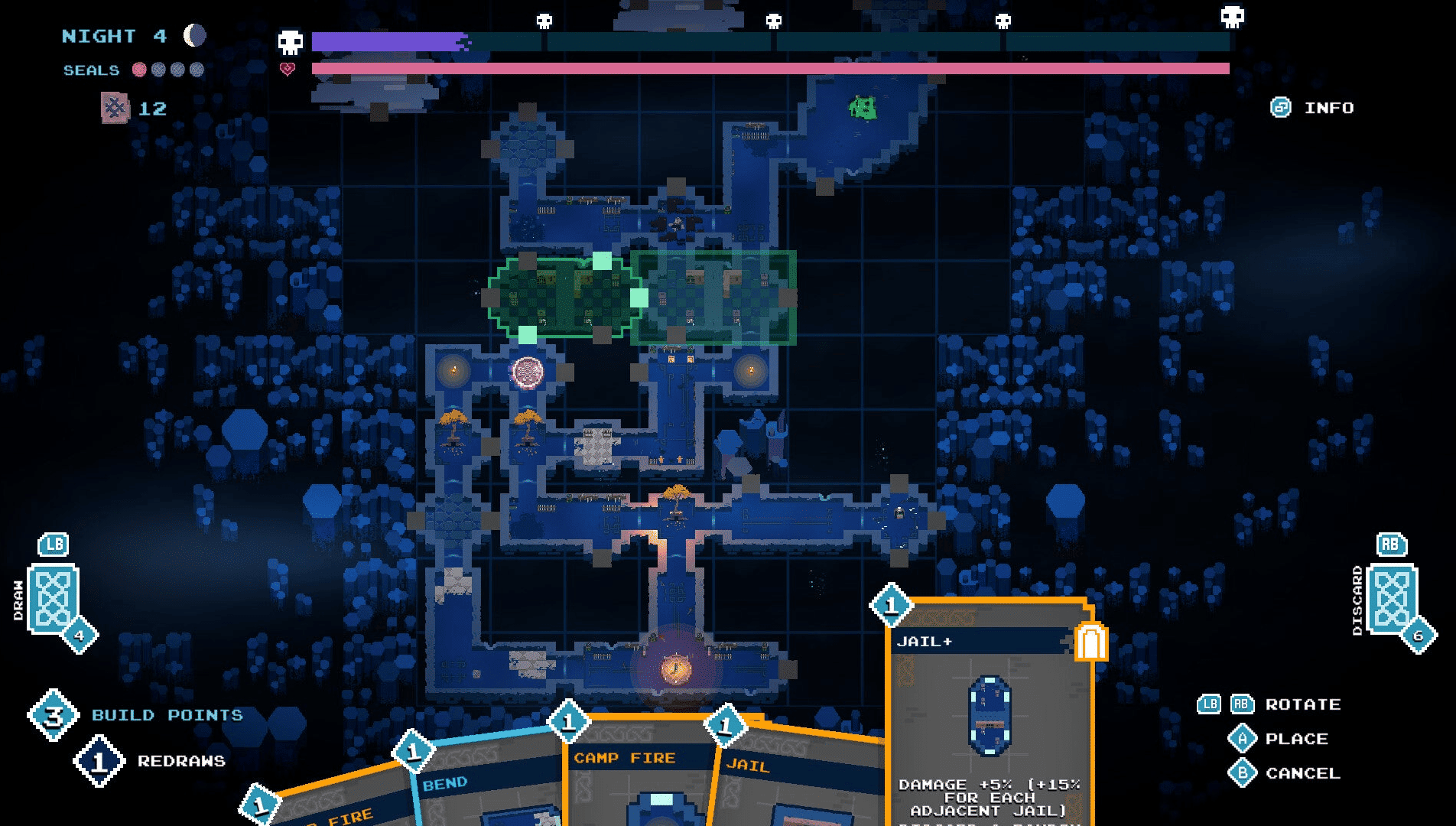
Curveball Games - Restless Ruins for PlayStation 5 - Physical Video GameBuild the dungeon, then brave its depths. Into the Restless Ruins for PlayStation 5 combines roguelike deckbuilding with dungeon exploration in a world inspired by Scottish folklore. Use cards to construct a shifting labyrinth, then enter your creation and battle its inhabitants. Shape a new challenge every run by placing rooms and corridors strategically, unlocking valuable effects and creating powerful combinations. Gather Glimour, earn the Harvest Maiden's favor, and meet characters who can help refine your deck. Explore six distinctive ruins, discover charms, cantrips, and fragments of lore, and experience a dark fantasy setting.19,45 £*Shipping: 3,95 £Secure redirect to the provider
-
Physalis Tired Legs 30 TabletsNutrition and Supplements Special supplements Physalis Tired Legs 30 Tablets Feeling of heaviness and fatigue in your legs? A common phenomenon in some people (sometimes older people) who must stand or sit for a long time and is due to poor circulation in the lower limbs. Physalis Tired Legs is a complex that contains plant extracts and vitamin C that play an important role in the formation of collagen to ensure that the proper functioning of blood vessels is maintained. Horse chestnut helps strengthen arterial walls and maintains circulation in the legs. Rusco (ruscogenin) and melilot (coumarin) complete their action by helping to reduce the feeling of heaviness in the legs . It also contains red vine with 30% polyphenols, which have a maintenance action in case of fatigue in the legs, and trans-resveratrol. This food supplement based on plants and nutrients helps with tired, achy legs , treating problems such as: Ankle swelling Lower extremities. Capillary fragility. Poor circulation. How to use: 1 to 2 tablets a day. Take during meals with a little water.10,63 £*Shipping: 3,99 £Secure redirect to the provider
-
Who are famous people of the Romanesque period?
Some famous people of the Romanesque period include Pope Urban II, who called for the First Crusade in 1095, and William the Conqueror, who led the Norman Conquest of England in 1066. Additionally, Hildegarde of Bingen, a German abbess, composer, and mystic, was a prominent figure during this time. Architectural figures such as Abbot Suger, who oversaw the construction of the Abbey Church of St. Denis in France, also made significant contributions to the Romanesque period. **
-
What is the difference between Romanesque and Gothic?
Romanesque architecture is characterized by thick walls, rounded arches, and small windows, while Gothic architecture features pointed arches, ribbed vaults, and flying buttresses. Romanesque buildings tend to have a more fortress-like appearance, while Gothic buildings are taller and more delicate in appearance. Additionally, Romanesque churches often have a single, massive tower, while Gothic churches typically have multiple towers and spires. Overall, Romanesque architecture is more solid and heavy, while Gothic architecture is more light and airy. **
-
How can Gothic and Romanesque architecture be compared?
Gothic and Romanesque architecture can be compared in several ways. Both styles are characterized by their use of stone construction, thick walls, and large, imposing structures. However, Gothic architecture is known for its pointed arches, ribbed vaults, and flying buttresses, which allow for taller and more open interior spaces. On the other hand, Romanesque architecture is characterized by its rounded arches, barrel vaults, and heavy, fortress-like appearance. Additionally, Gothic architecture is often associated with a more vertical and ethereal aesthetic, while Romanesque architecture tends to have a more solid and grounded feel. **
-
Who were the most significant artists in the Romanesque period?
Some of the most significant artists in the Romanesque period were the anonymous master builders and sculptors who created the magnificent cathedrals and churches of the time. These artists were responsible for the intricate carvings, sculptures, and architectural designs that defined the Romanesque style. Additionally, the illuminated manuscripts created by monks in monasteries were also significant artistic achievements of the period. Notable examples include the Winchester Bible and the León Bible. These artists and craftsmen played a crucial role in shaping the artistic and architectural landscape of the Romanesque period. **
* All prices are inclusive of VAT and, if applicable, plus shipping costs. The offer information is based on the details provided by the respective shop and is updated through automated processes. Real-time updates do not occur, so deviations can occur in individual cases. ** Note: Parts of this content were created by AI.